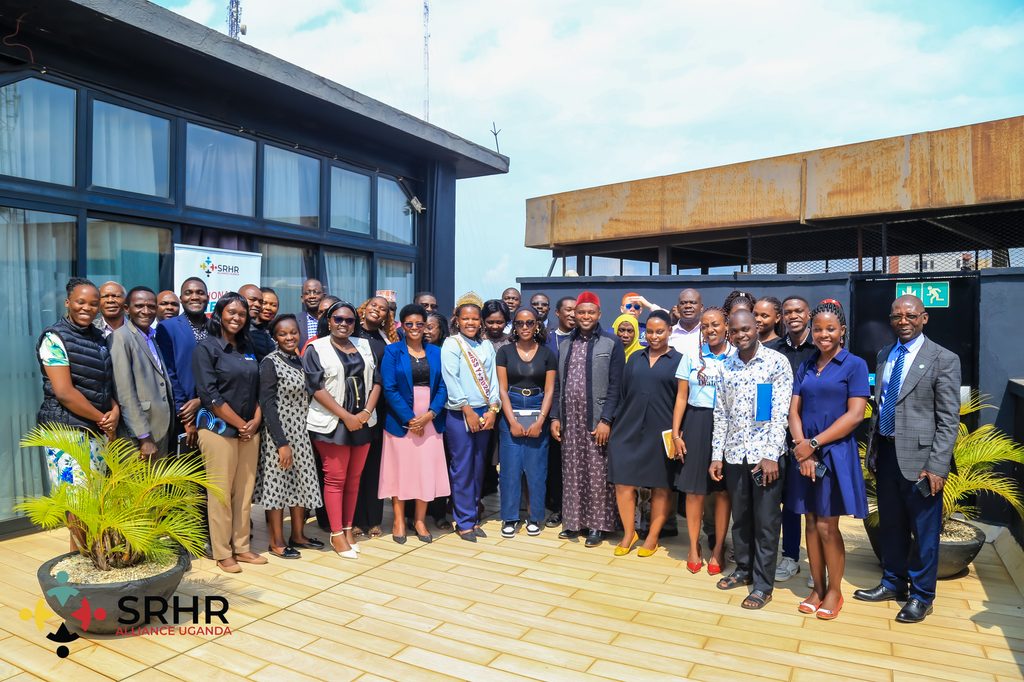
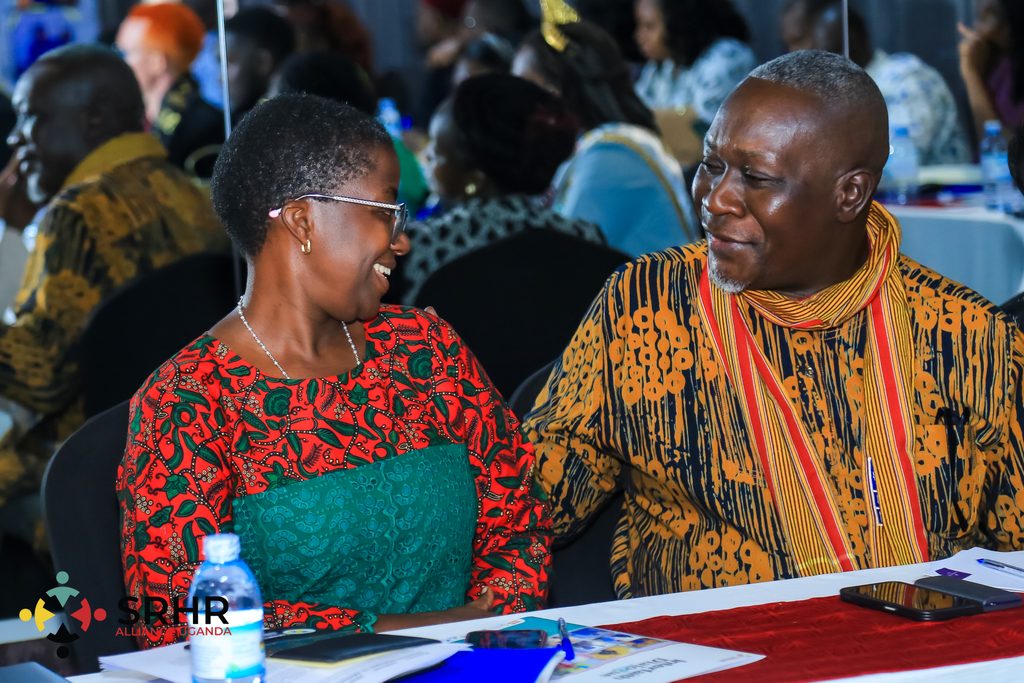
Religious leaders, young people, government officials, researchers and development partners came together for the National Interfaith Dialogue on Sexual and Reproductive Health and Rights (SRHR) and Adolescent Health on 24 July 2025 at SKYZ Hotel in Kampala.
Held under the RHRN project with support from Rutgers, the dialogue brought together 79 participants, 33 males and 46 females, to discuss the SRHR and HIV challenges facing adolescents and explore how faith institutions can contribute to more compassionate, inclusive and evidence-informed responses. Uganda has one of the youngest populations globally, with more than 78% of the population under 30. However, young people continue to face challenges accessing SRHR information and services, particularly amid declining external funding and reduced youth-focused programming. The dialogue therefore sought to strengthen collaboration between faith leaders, young people, government and other stakeholders.
Opening the dialogue, Mr. Mondo Kyateka, Assistant Commissioner at the Ministry of Gender, Labour and Social Development, challenged participants to move beyond concern and take action. “Shame is a revolutionary sentiment. We need to be ashamed of things happening. We need to move from the book of lamentations to the book of acts. We must act now.”
Research presented by Dr. Viola Nyakato, Senior Lecturer and Researcher at Mbarara University of Science and Technology, highlighted significant communication gaps between young people and adults. Her findings showed that 85% of young people aged 10–14 get SRH information from the media, while only 10% consult fathers, 22% mothers and 1% schools. She also shared findings indicating that the COVID-19 lockdown was associated with a 300% increase in pregnancies among girls aged 10–14. Young people also shared powerful lived experiences of HIV-related stigma, disability, sexual violence, exclusion and mental health challenges. One youth speaker reminded participants that interventions must go beyond statistics. “Behind every statistic is a real life, a young person with dreams, pain, and potential.”
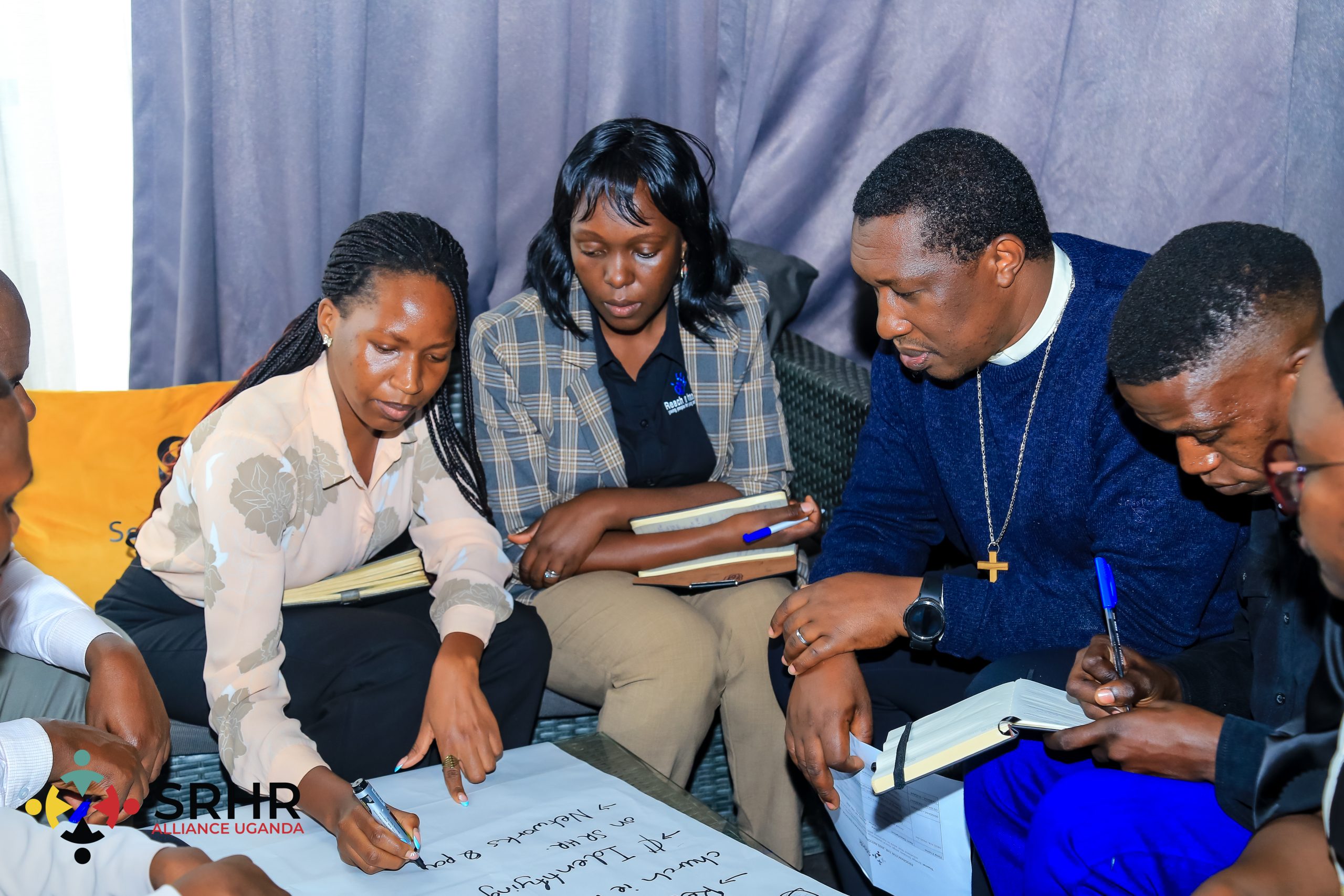
The dialogue also brought together five faith groups, the Muslim community, Born Again faith, Church of Uganda, Orthodox Church and Seventh-day Adventist Church, to reflect on their efforts, challenges and next steps. Participants identified common barriers, including stigma, limited capacity among religious leaders, inadequate inclusion of persons with disabilities and communication gaps between young people and older generations. A Christian representative called for greater parental responsibility, particularly among fathers, saying: “Don’t help raise others’ children when you have neglected your own.”
Meanwhile, participants agreed that religious institutions should use their influence and platforms to address contemporary challenges affecting young people with compassion, dignity and evidence-based information.
The dialogue produced several key outcomes, including a Joint Interfaith and Youth Commitment Declaration, the formation of an interfaith and youth-led working group, and actionable recommendations on adolescent SRHR advocacy, community engagement and resource mobilisation.
As participants concluded, the central message was clear: sustainable progress in adolescent health will require faith leaders, young people, government, civil society, and communities to work together, and ensure that dialogue translates into meaningful action.