

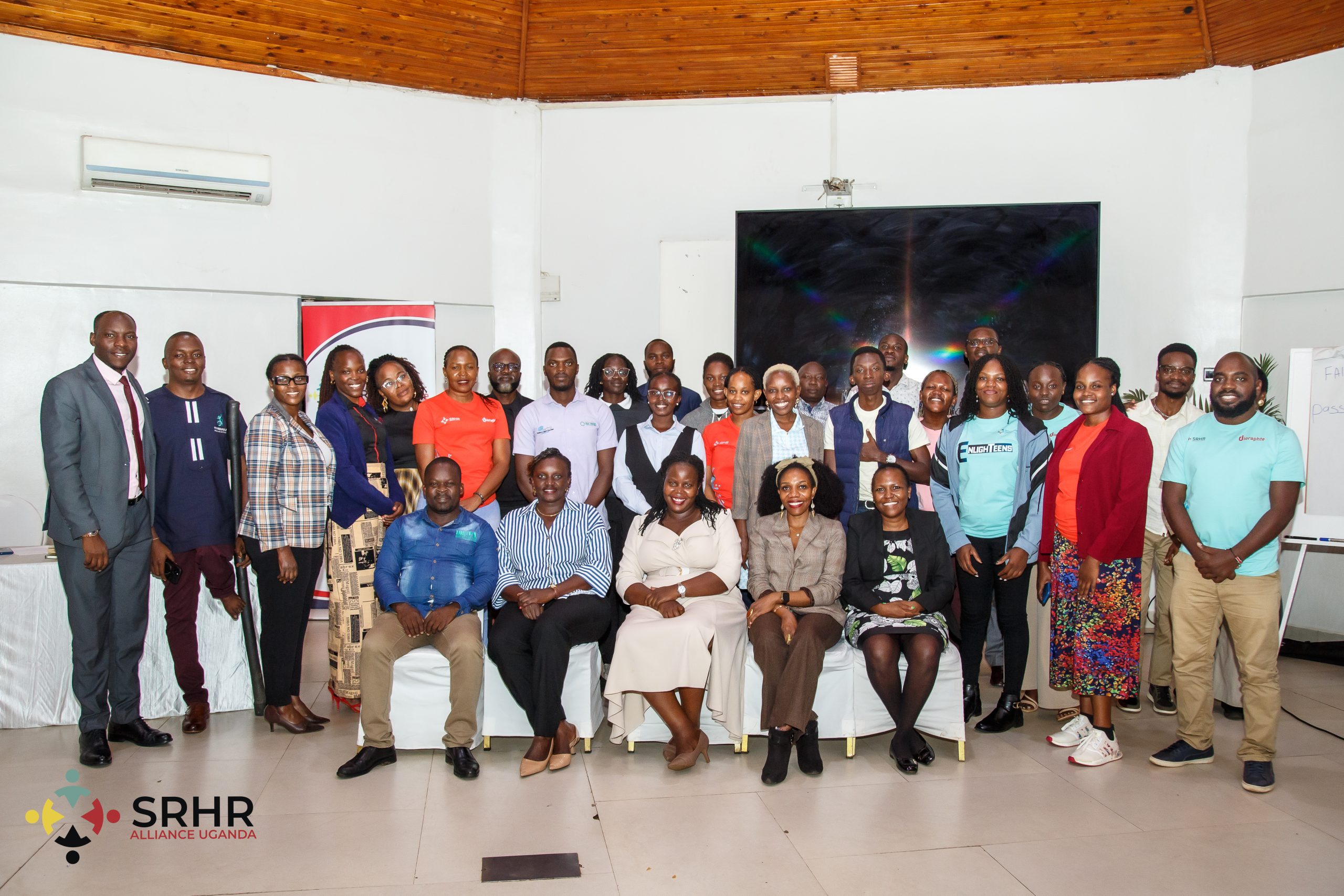
On Thursday 5th March, 2026, partners working in Sexual Reproductive Health and rights (SRHR) were convened by the SRHR Alliance for a joint advocacy planning meeting to strengthen collaboration and shape advocacy priorities for adolescent and youth health the coming year. The meeting brought together representatives from government including Ministry of Education, Ministry of Health, Ministry of Gender, civil society organizations, youth-led groups, researchers, international partners and the young people to reflect on progress and identify practical solutions to improve sexual reproductive health outcomes for adolescents and young people in Uganda. The meeting organized under the theme “Collective Action for Sustainable SRHR Advocacy,” had 52 participants and provided a space for stakeholders to review ongoing work, share lessons from the field, and plan coordinated advocacy efforts moving forward.
Why SRHR Advocacy Matters
Sexual and reproductive health services play a critical role in improvi ng people’s health and wellbeing. When young people have access to accurate information and quality health services, they are better able to prevent unintended pregnancies, reduce the risk of sexually transmitted infections, and make informed decisions about their lives.
However, stakeholders noted that advocacy efforts in Uganda have often been fragmented, limiting their ability to influence policies and programs effectively. The SRHR Partnership Forum, established in 2022, was created to help address this challenge by bringing together different actors to coordinate advocacy, share knowledge, and strengthen accountability.
Sharing Evidence from the Field
A major focus of the meeting was the importance of evidence-based advocacy. Participants highlighted that policy discussions are more effective when they are supported by clear data and real experiences from communities.
Members of Parliament and partners recently visited several districts to monitor health services and collect information from health facilities, schools, and communities. These visits revealed challenges such as limited youth-friendly services, weak reporting systems, and the need to strengthen community awareness on reproductive health. As one participant explained, “When we gather evidence from communities and present it clearly, it becomes easier for decision-makers to understand the issues and take action.”
Strengthening Partnerships Across Sectors
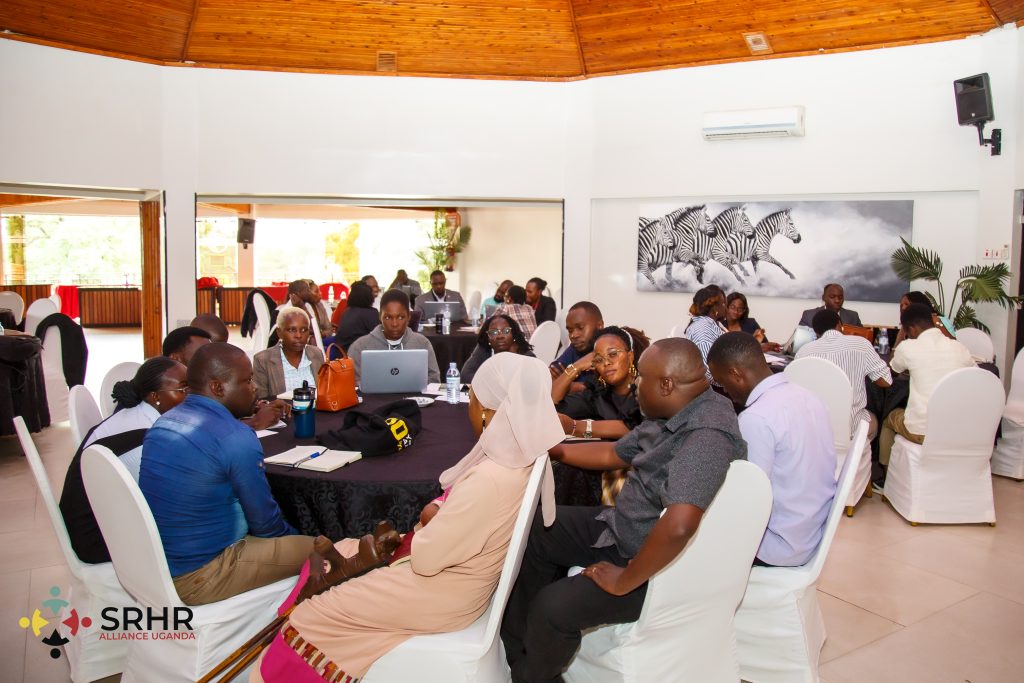
Participants emphasized that improving SRHR outcomes requires strong partnerships across sectors. Government ministries such as the Ministry of Health, Ministry of Education and Sports, and the Ministry of Gender, Labour and Social Development are working alongside civil society organizations, youth groups, UN agencies, and international partners to strengthen services and policies.
Through regular coordination meetings and joint platforms, partners are able to share updates, discuss challenges, and develop joint action plans. These platforms also help strengthen district-level coordination and ensure that national policies translate into practical action in communities.
Responding to Global and National Changes
The meeting also explored how global policy shifts and funding changes may affect SRHR work. Participants discussed the need for stronger collaboration and strategic planning to ensure that advocacy efforts remain sustainable despite changes in funding and the global policy environment. By working together, stakeholders can continue to protect progress made in advancing the health and rights of adolescents and young people.
Looking Ahead
As the meeting concluded, participants agreed on the importance of maintaining strong partnerships and aligning advocacy priorities. Partners committed to strengthening coordination, supporting research and evidence generation, and continuing joint advocacy efforts throughout the year. “Improving the health and well-being of Ugandans requires all of us to work together. The government has made important commitments, and partners are here to support them. Forums like this remind us that progress is not the work of one actor everyone has a role to play,” Olgah Daphynne Namukuza, Country Director, SRHR Alliance Uganda.
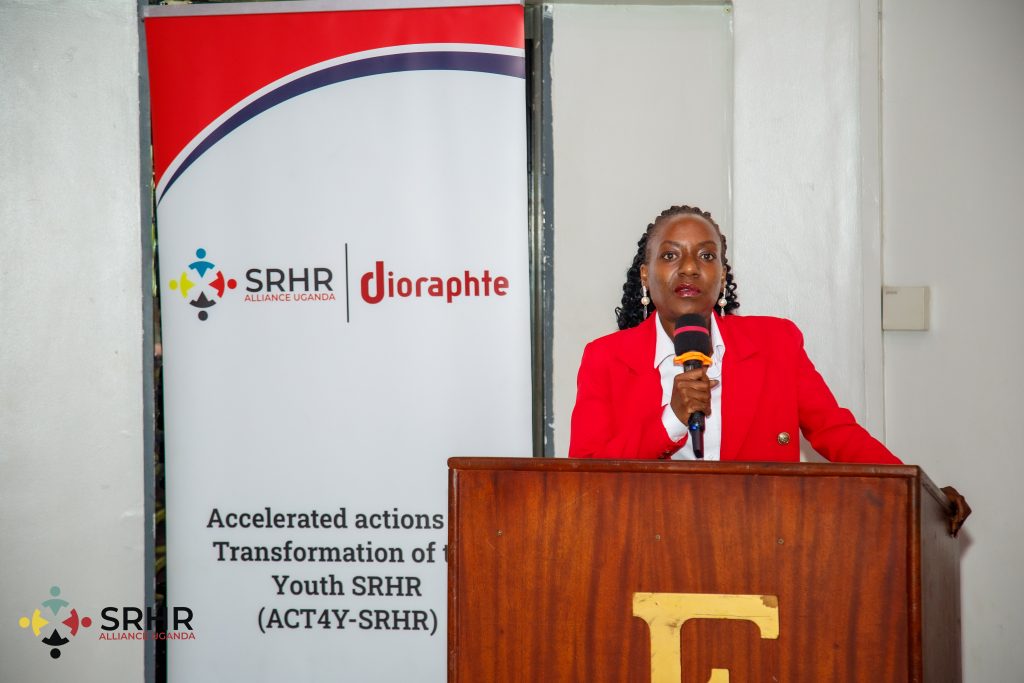
Moving forward, the SRHR Alliance Uganda shall continue to convene stakeholders to work together to implement the agreed advocacy priorities and ensure that young people across Uganda have access to the information, services, and support they need to live healthy and productive lives
Good work