

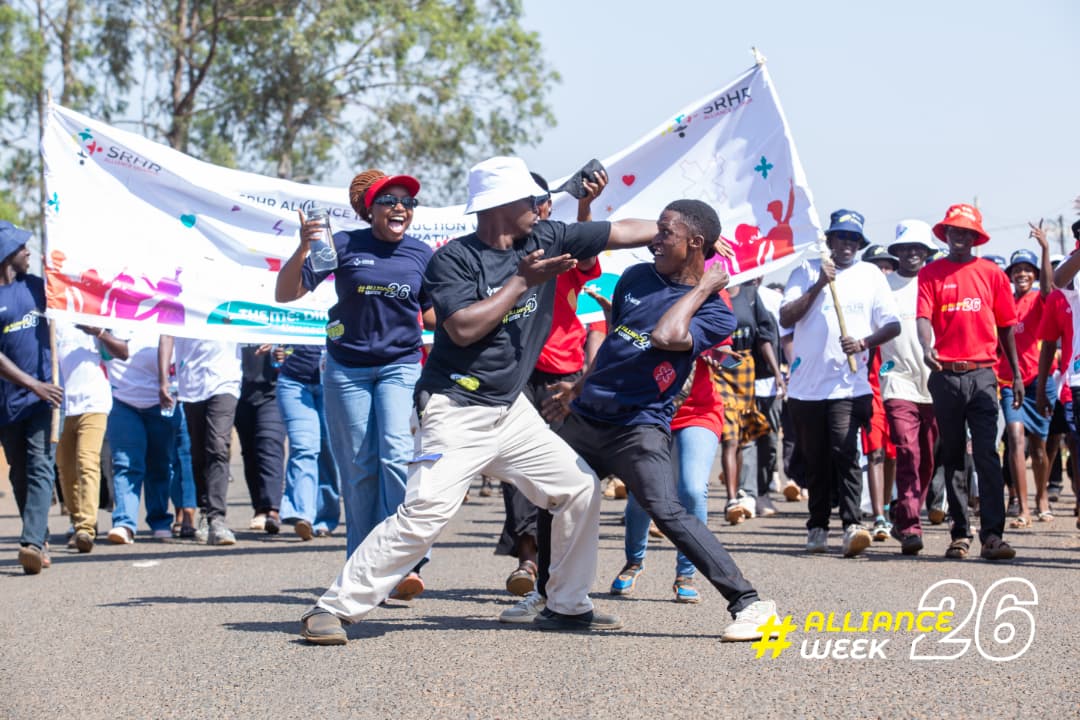
The Alliance Week 2026 came to a close today at Namayingo District Headquarters, with celebrations marking International Youth Day rolling into the final day of a five day engagement that took the SRHR Alliance and its partners into schools, health facilities, and communities across the district. The day opened with a brass band march through Namayingo town, drawing residents out to join the celebrations, before a series of speeches brought the week’s findings and commitments into sharp focus.
Speaking at the closing ceremony, David Talima, our Board chairman, and Executive Director of Straight Talk Foundation, opened with a Basoga proverb to describe how teenage pregnancy, early marriage, and sexual and gender based violence creep into communities slowly, yet leave damage that lasts generations. He reminded the gathering that behind every percentage collected during Alliance Week is a real person, recalling that health workers had encountered a ten year old girl who was pregnant.
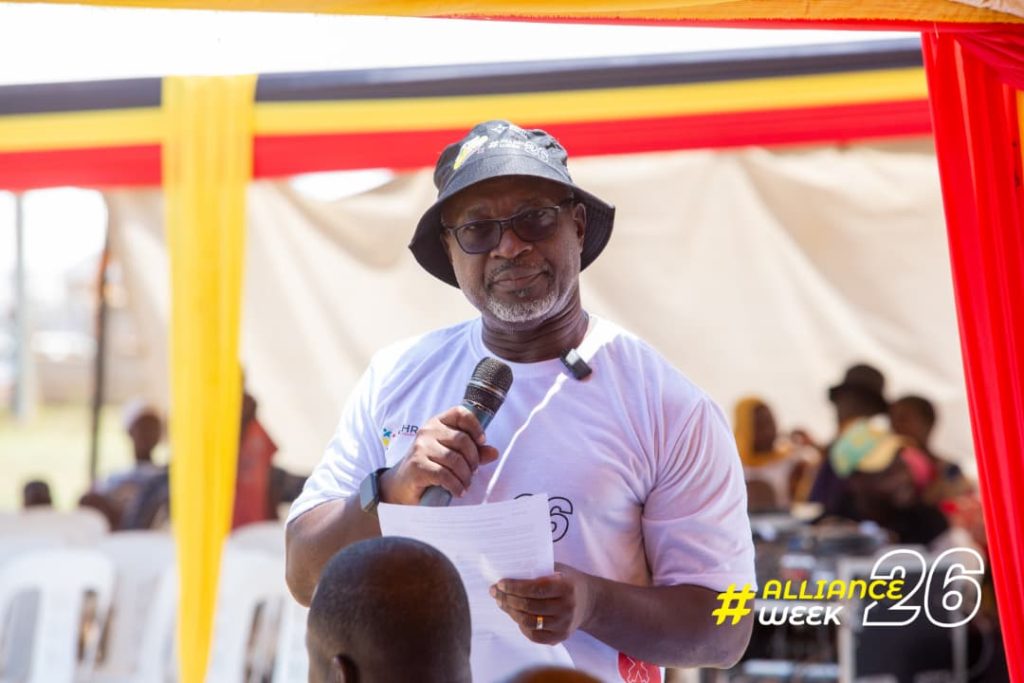
Talima reflected on the week’s theme, Generation to Generation, describing it as a commitment to pass the mantle from older generations to young people and to stand with them as they speak up for their own futures. He said the week’s slogan, Connecting Generations, Empowering Communities, had guided every activity carried out across Namayingo’s sub counties.
He noted encouraging progress on menstrual health education, pointing to efforts this week to train girls to make their own reusable sanitary pads rather than simply distributing supplies, a choice he said would give girls a skill for life. At the same time, he flagged that teenage pregnancy, early marriage, poverty, and peer influence remain persistent challenges for both in school and out of school girls. He also pointed to stockouts at health facilities and a shortage of people equipped to offer psychosocial support to affected young people.
Talima closed his remarks with five asks directed at Namayingo’s district leadership: consistent availability of SRHR commodities and confidential, adolescent responsive services, stronger tracking of girls who drop out of school, investment in prevention through information and education materials, stronger systems for reporting and responding to Sexual Gender Based Violence (SGBV), and stronger links between vulnerable families and government livelihood programmes. He called for honest conversations with parents, cultural, and religious leaders that confront harmful norms without dismissing the value of tradition altogether.
Our Programs Manager Magaret Nanyombi presented a complete account of the week’s reach, reporting that outreaches at 17 sites, including five health facilities and 12 schools, had touched 2,566 pupils and 4,815 people at health camps. She highlighted strong menstrual health practices at schools including Lubango, Namayingo, and Mutumba Primary Schools, alongside recommendations to strengthen commodity funding, retrain health workers on youth friendly service delivery, enforce free family planning policy, and engage local council and school structures to catch cases of abuse early.
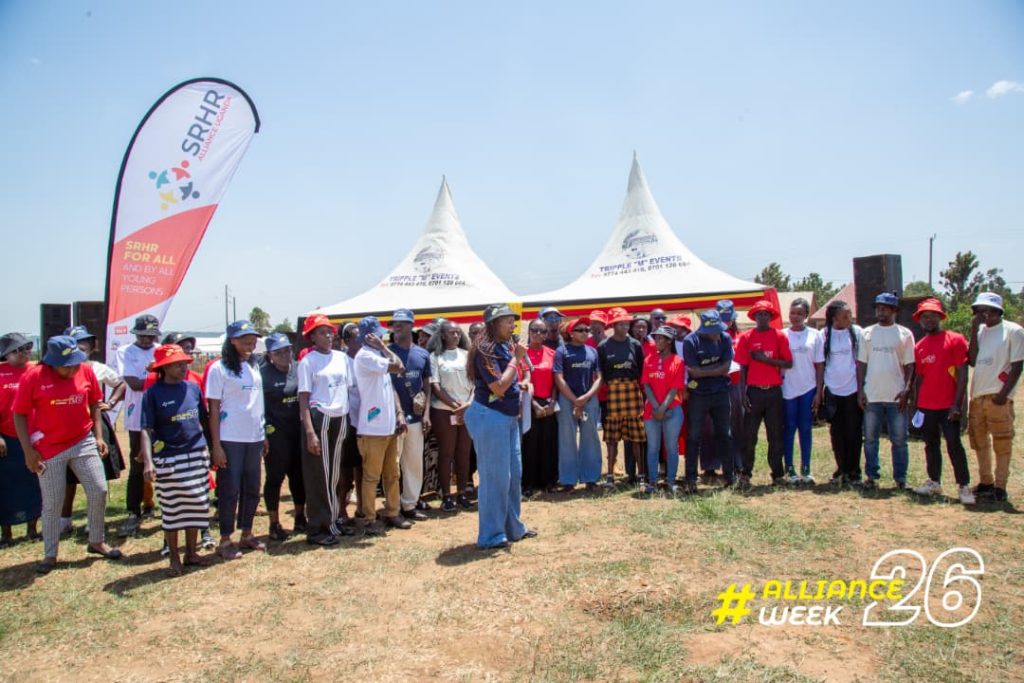
District leaders responded with firm commitments. Ouma John Patrick, speaking on behalf of the Chief Administrative Officer, pledged that the district would carry the week’s activities forward. District Governor Ronald Saanya urged parents to reclaim their role in guiding children, while challenging young people to take responsibility for their own discipline and choices. Eastern Youth Member of Parliament Hon. Dr. Judas Wanyama Thadeo called for Namayingo to rewrite its story, proposing that district and youth leaders reconvene within the week to turn the Alliance’s report into a concrete action plan.
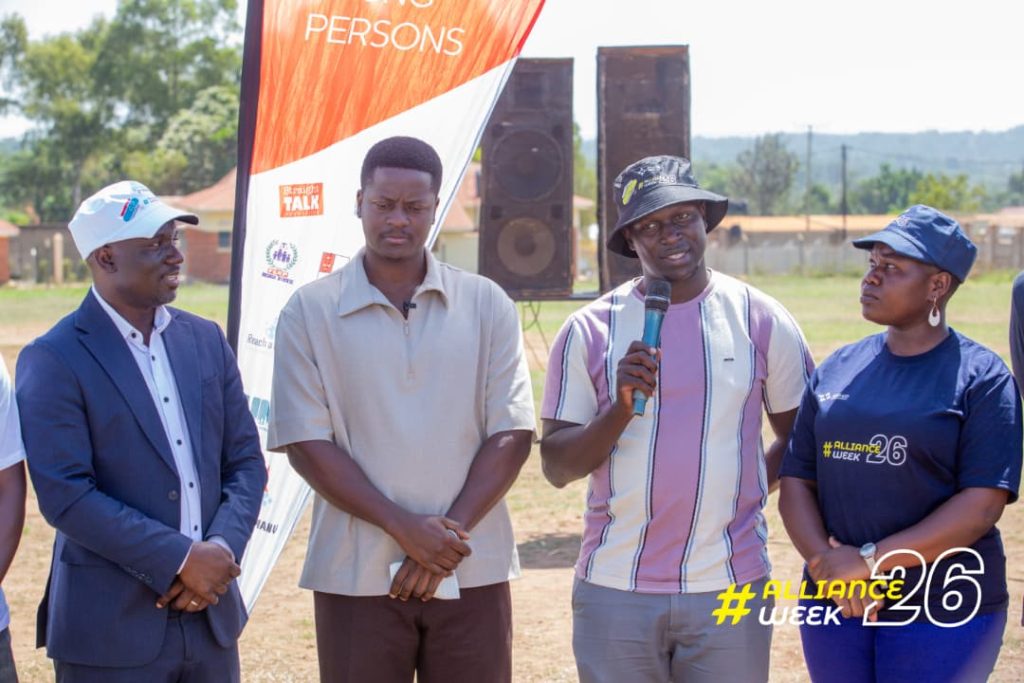
As the closing message put it, behind every percentage is a real number, and behind every number is a real person. Alliance Week may be ending, but as speakers repeatedly stressed, the work in Namayingo is only beginning.