

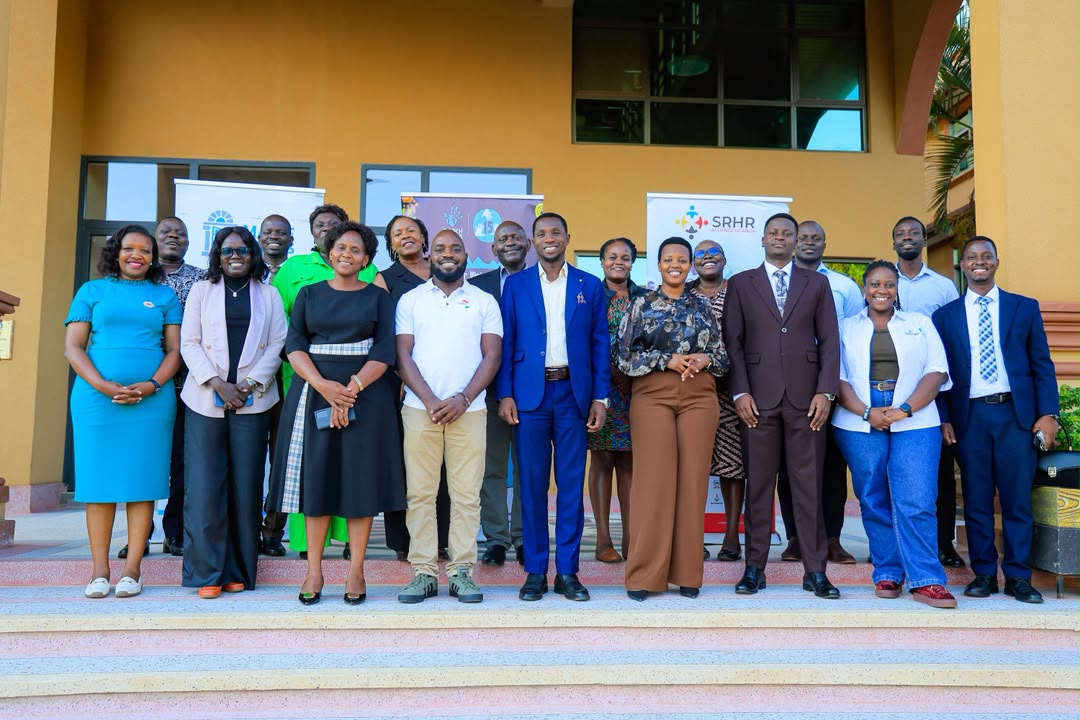
On 25th and 26th June 2026, newly elected Youth Members of Parliament of Uganda completed a two-day capacity-building workshop on Sexual and Reproductive Health and Rights (SRHR), equipping them with the knowledge and skills needed to champion evidence-informed policies that improve the health and well-being of Uganda’s adolescents and young people.
Convened by SRHR Alliance Uganda in partnership with Reach A Hand Africa and Marie Stopes Uganda, the event brought together the Youth MPs at the beginning of their leadership journey in the 12th Parliament. The engagement focused on strengthening their understanding of adolescent health, Uganda’s SRHR landscape, and the critical role Parliament plays in shaping policies, budgets, and accountability mechanisms that respond to the needs of young people.
Leading the sessions, facilitator Charles Owekmeno guided participants through key aspects of SRHR, including adolescent health, menstrual health, family planning, prevention and management of sexually transmitted infections, safe motherhood, gender, and sexual and gender-based violence. He also challenged common misconceptions surrounding SRHR, urging participants to focus discussions on health, evidence, and access to accurate information rather than misinformation. “As leaders, your responsibility is to make decisions based on evidence. Sexual and reproductive health is about protecting lives, promoting dignity, and ensuring that young people have access to accurate information and quality health services.“
The workshop also highlighted Uganda’s adolescent health challenges, including teenage pregnancy, HIV infections among young people, gender-based violence, and unequal access to youth-friendly health services. Uganda has one of the highest adolescent birth rates in Africa, with approximately 24 per cent of girls aged 10 to 19 having experienced pregnancy, translating to 1,000 teenage pregnancies every day. Participants explored how Parliament can influence positive change through legislation, oversight, budget approval, and increased investment in programmes that improve the lives of adolescents and young people
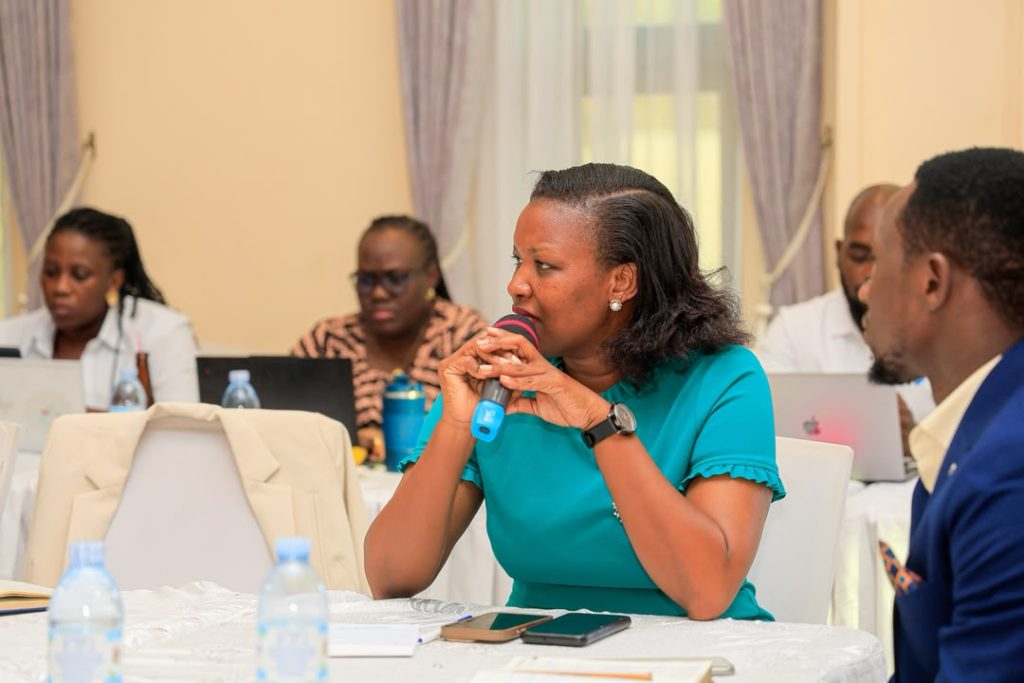
Speaking at the workshop, Dr. Irene Mwenyango, Assistant Commissioner for the Adolescent and School Health Division at the Ministry of Health, emphasised that investing in adolescents is essential to Uganda’s future. “Young people represent Uganda’s greatest opportunity for development,” she said. “By prioritising adolescent health and well-being, Parliament can help build a healthier, more productive generation that contributes meaningfully to national development.” Echoing this concern, Mr. Ssemakula Henry from the Ministry of Education and Sports urged legislators to interrogate the numbers behind the country’s education outcomes. “Next time your national budget is being read, follow how many people completed P7, follow how many completed S4, follow how many completed S6,” he said. “You will see the difference in human capital. And you can tell this is a national crisis.”
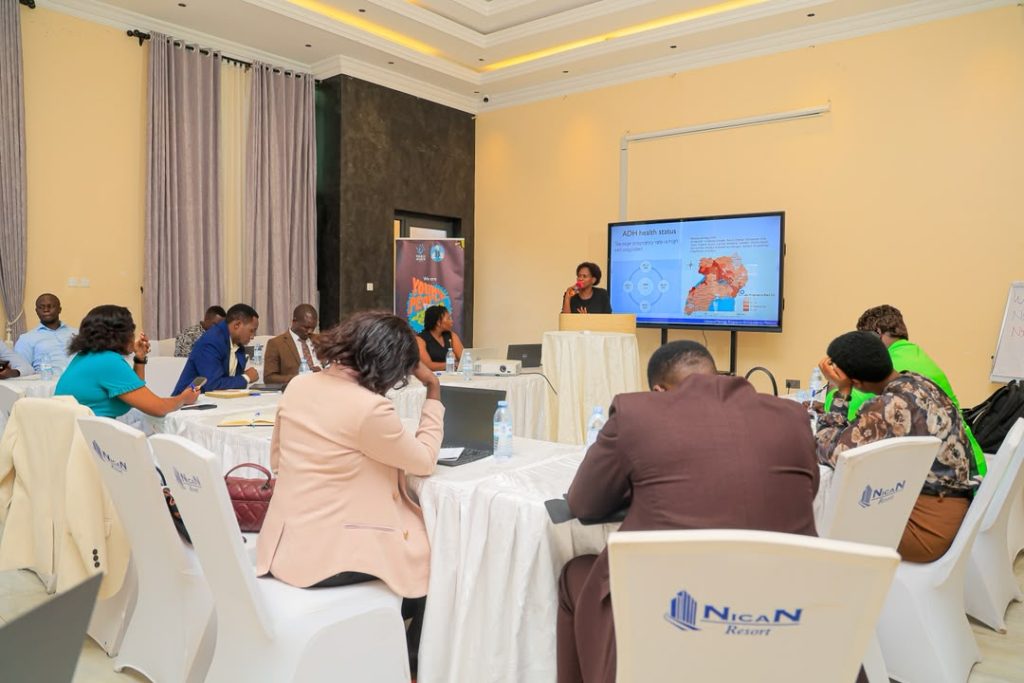
The second day of the workshop focused on evidence-informed leadership and the role of Youth Members of Parliament in translating evidence into action. Participants examined how data from their constituencies can inform parliamentary debates, committee engagements, constituency outreach, and policy advocacy. The participants were also encouraged to ask critical questions about government commitments, financing for adolescent health, and accountability for programmes that affect young people’s lives. Interactive discussions also provided an opportunity for participants to share the realities young people face in their constituencies, exchange experiences, and identify practical legislative and policy actions to strengthen access to quality health information and services.
The workshop reaffirmed the importance of collaboration between Parliament, government institutions, civil society organizations, and young people in advancing adolescent health. As the newly elected Youth Members of Parliament begin their work, they are now better positioned to champion evidence-informed policies, advocate for increased investment in adolescent health, and promote equitable access to quality SRHR information and services across Uganda.