

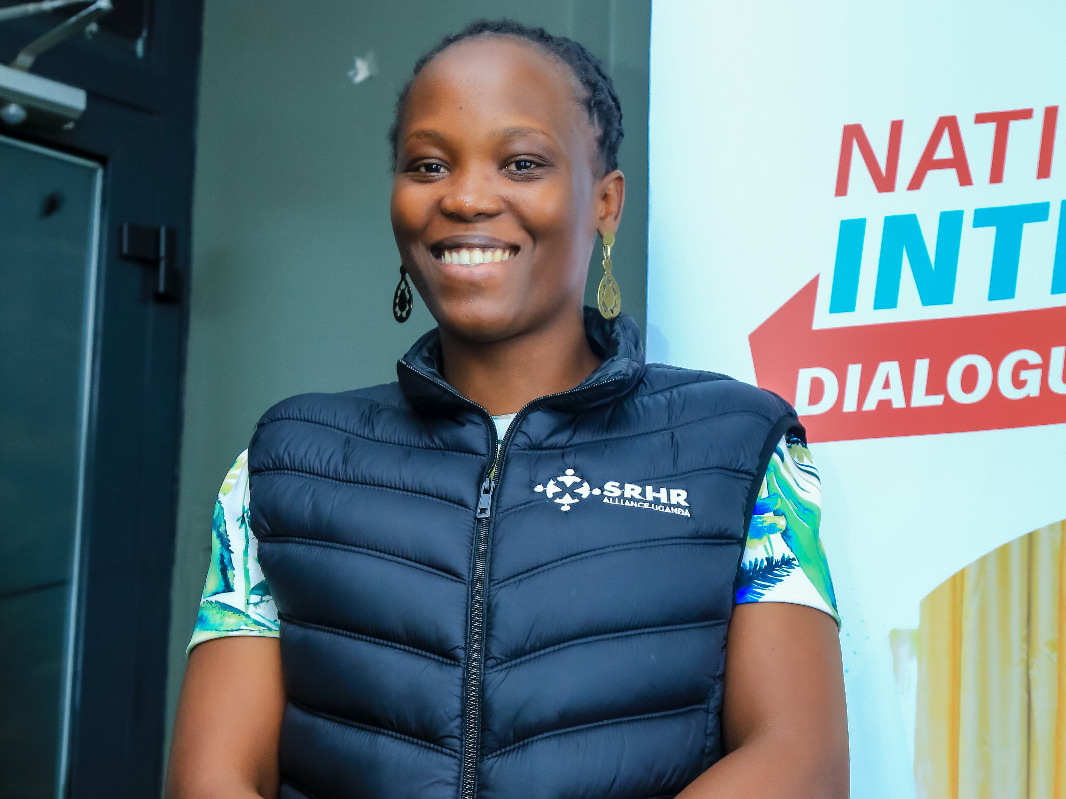
By Maureen Kinume
As we mark World Population Day 2026, it is important to remember that the world’s population is about 8.2 billion (United Nations World Population Prospects 2024), and young people aged 15 to 24 make up 16% of that number (1.3 billion). In Uganda, almost 73 percent of people are under 35, and the country has one of the highest teenage pregnancy rates in East Africa at 25% (UNICEF). Reaching 8 billion people in 2022 was a major milestone for humanity. When we talk about population, it is easy to focus on numbers, but it is really about people, families, and communities.
The theme for this year’s World Population Day, “Empowering young people to create the families they want in a fair and hopeful world,” reminds us that population is about people and their right to make informed choices about their futures. Every statistic represents a young person whose future is shaped by the choices we make now. This presents a great opportunity, but it will only make a difference if we invest in education, healthcare, skills training, and good jobs. Still, many young people face obstacles that keep them from reaching their full potential. In the Busoga and Bukedi sub-regions, adolescent girls and young women still face high rates of sexual and gender-based violence, child marriage, teenage pregnancy, and limited access to quality sexual and reproductive health services.
According to the Uganda National Population and Housing Census (2024), 6.5% of girls aged 10 to 19 have already started having children. The National Survey on Gender-Based Violence (2020) found that over 44% of girls in this age group have faced physical or sexual violence, and more than half have experienced sexual abuse during childhood.
Uganda also continues to struggle with high rates of teenage pregnancy, child marriage, and insufficient youth-friendly sexual and reproductive health services. The country’s maternal mortality rates remain high, at 189/100,000 live births, and only two in every ten women of reproductive age do not have access to modern contraception. These numbers are not just about health. They also impact education, jobs, gender equality, and Uganda’s overall development.
As SRHR Alliance Uganda, our work continues to show that young people thrive when they have access to accurate information, quality sexual and reproductive health services, and opportunities to shape decisions that affect their lives. Across the communities we work in, we have seen young people, community leaders, religious and cultural institutions come together to challenge harmful social norms, promote gender equality, and advocate for policies that protect the health and rights of adolescents and young people. These experiences reaffirm that lasting change requires more than programs. It requires sustained investment, meaningful youth participation, and evidence-informed policies that respond to the realities young people face. Data should not just sit in reports; it should guide decisions that improve lives and create opportunities for every young person to reach their full potential.
As we celebrate World Population Day, let us remember that Uganda’s real strength lies in the potential of its young people, not just its numbers. When we invest in their health, education, rights, and economic opportunities today, we are building a healthier and more prosperous Uganda for the future.
Maureen Kinume is the Monitoring Evaluation and Learning Coordinator at SRHR Alliance Uganda