

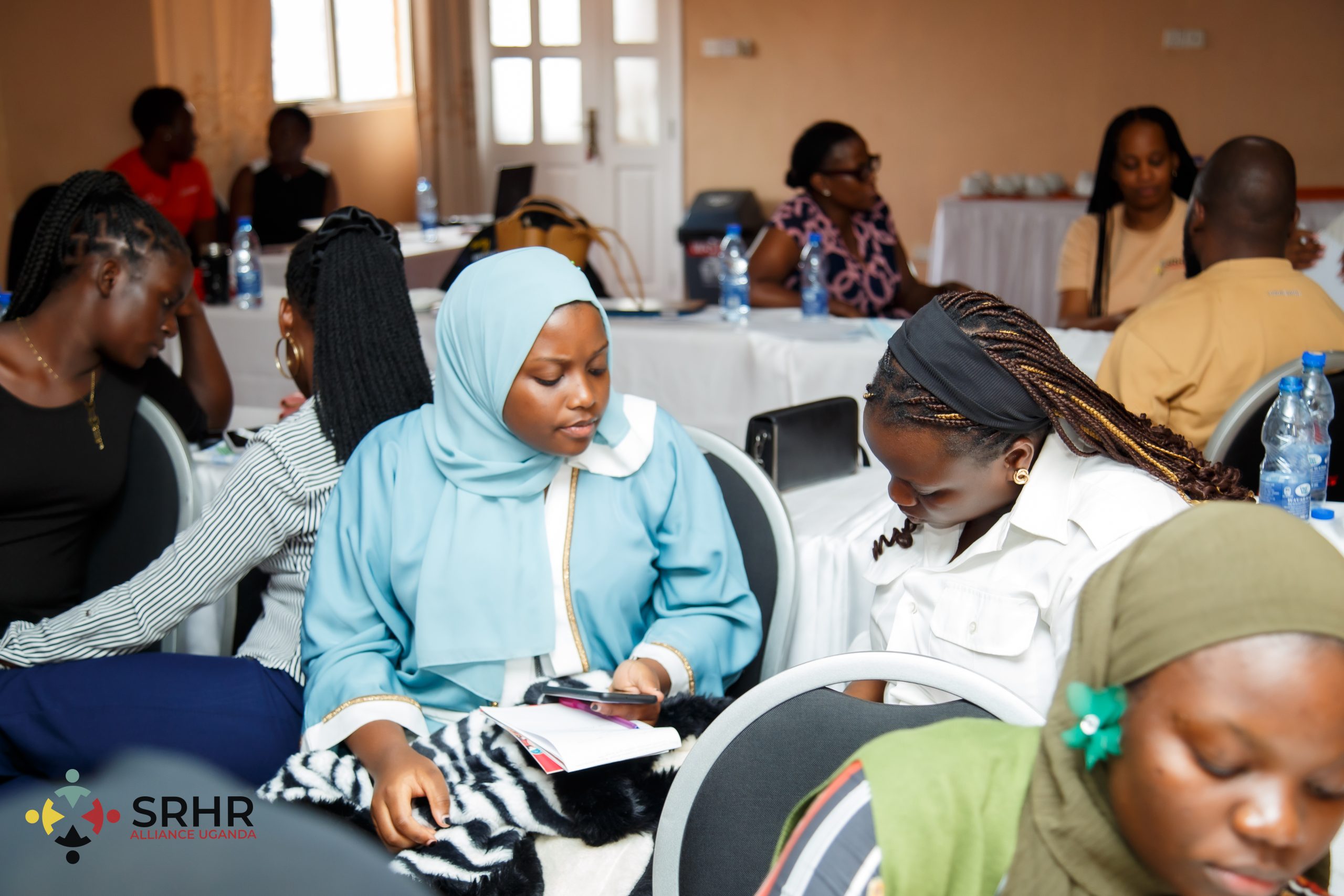
From 5th to 7th March 2026, SRHR Alliance Uganda brought together Civil Society Organizations (CSOs) for a three-day mentorship training in Kampala. The training aimed to strengthen how organizations operate so they can better support young people’s Sexual and Reproductive Health and Rights (SRHR).
The workshop, held at Eureka Hotel, convened 35 participants from youth-led, women-led, and community-based organizations. These groups work directly with young people, supporting their access to SRHR information and services.
The training was conducted under the Transform SRHR project, which focuses on building the capacity of organizations to effectively respond to SRHR challenges in Uganda.
Across Uganda, many organizations are working hard to support young people, especially adolescent girls and young women. However, they often face operational challenges such as weak leadership structures, limited funding, unclear roles, and inadequate financial systems. These gaps can reduce the quality of services provided and make it harder to address critical issues like teenage pregnancy, gender-based violence, and limited access to health services. This is exactly why the training was designed to help organizations become stronger, more organized, and more sustainable. It emphasized practical learning through discussions, group work, and real-life exercises.
Participants explored leadership and governance, including the roles of management and boards, as well as strategic planning and organizational development, and financial management and accountability. They also examined the importance of clear policies, such as safeguarding, child protection, and financial guidelines, in building trust and improving effectiveness.

A key part of the training focused on resource mobilization. Participants learned how to identify and engage partners, write effective funding proposals, and explore innovative ways to raise resources.
One of the most impactful moments of the training was reflection. Each organization assessed its strengths, challenges, and areas for growth. Common challenges identified included limited funding, weak internal systems, stigma around SRHR issues, and difficulties in reaching communities with accurate information.
By the end of the training, each organization developed a clear action plan to improve its operations. These plans focused on strengthening governance structures, improving financial systems, developing and implementing policies, and building stronger partnerships.
The training also created space for collaboration. Participants shared experiences, built relationships, and explored opportunities to work together. This collaboration is essential, as no single organization can address SRHR challenges alone. Strong partnerships enable organizations to reach more people, share resources, and increase their overall impact.

Looking Ahead
Following the mentorship sessions, participants committed to applying what they learned within their communities. Many have already begun improving their internal systems and strengthening their programs. By strengthening civil society organizations, SRHR Alliance Uganda is contributing to a more resilient and coordinated SRHR movement in the country. Over time, this will improve young people’s access to essential information and services, enabling them to lead healthier, more informed, and empowered lives.