


We are excited to share big news, SRHR Alliance Uganda has taken a significant step in advancing the health and wellbeing of young people by expanding its work into Mayuge and Namayingo districts in the Busoga sub-region. This milestone marks the launch of the Accelerated Actions for Transformation of Youth Sexual and Reproductive Health (ACT4Y-SRHR) project, implemented with support from the Dioraphte Foundation.
To officially kick off the project implementation, district leaders and key partners in Mayuge and Namayingo convened for two high-level project launch meetings. These gatherings brought together more than 100 stakeholders, including district officials, civil society organizations, youth leaders, community representatives, religious and cultural leaders, and law enforcement officers. The shared goal was clear: to strengthen Sexual and Reproductive Health and Rights (SRHR) for young people, while addressing Sexual Gender-Based Violence (SGBV), particularly harmful practices affecting adolescent girls and young women (AGYW).
Throughout the discussions, a unified concern emerged regarding the persistent challenges facing young people in the two districts. Leaders highlighted high teenage pregnancy rates, widespread gender-based violence compounded by weak referral systems, inadequate sanitation facilities in schools, and limited access to youth-friendly health services. In addition, factors such as high mobility linked to mining activities have increased girls’ vulnerability, contributing to school dropouts and exposure to exploitation. Participants emphasized the urgent need to strengthen systems that support survivors of violence through improved legal assistance and community awareness.
District officials warmly welcomed the ACT4Y-SRHR initiative, stating that the programme directly to pressing community needs. Stakeholders underscored the importance of inclusive approaches that engage parents, community leaders, and young people themselves. There was strong consensus that sustainable improvements in SRHR outcomes will depend on coordinated efforts between government institutions, civil society, and local communities.
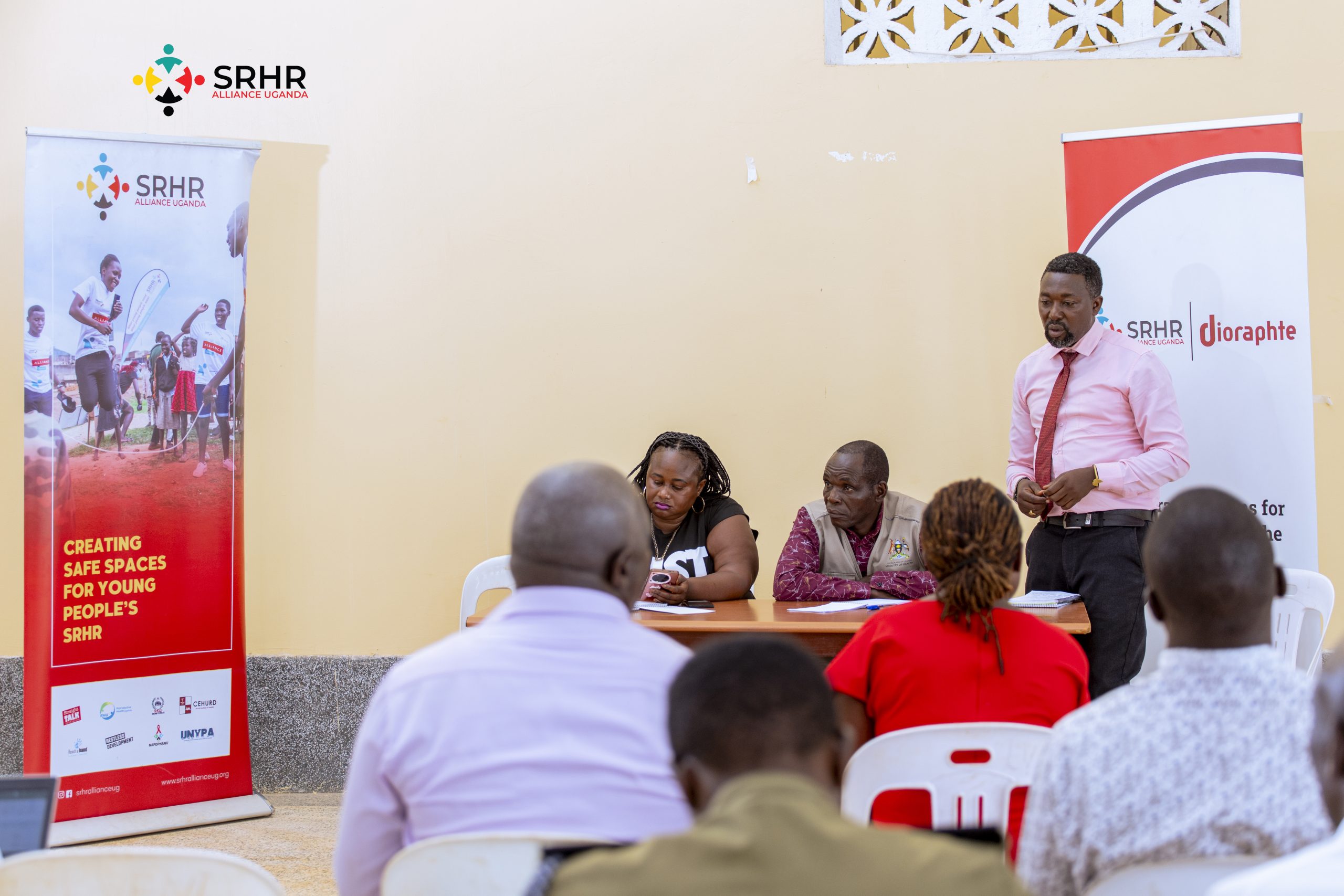
A key outcome of the meetings was the identification of priority intervention areas. Using district-specific data, stakeholders mapped sub-counties with the highest teenage pregnancy rates to ensure targeted and impactful programming. In Namayingo district, Bukana (32%), Mutumba (17%), Buswale (26%), and Buhemba (26%) were prioritized. In Mayuge district, Bukatube (36%), Bwondha (27%), Wairasa (36%), and Imanyiro (30%) were selected. These areas consistently report elevated SRHR challenges and will serve as focal points for the project’s activities.
At its core, the ACT4Y-SRHR project is designed to empower young women and address vulnerabilities through a holistic approach. It will build the capacity of youth champions, strengthen stakeholder collaboration, and create safe spaces where young people can access accurate information and essential services. Recognizing the link between economic insecurity and vulnerability, the project will also integrate economic empowerment initiatives, particularly for teenage mothers and survivors of gender-based violence. Financial literacy training and income-generating opportunities will play a crucial role in promoting independence and resilience among young women.
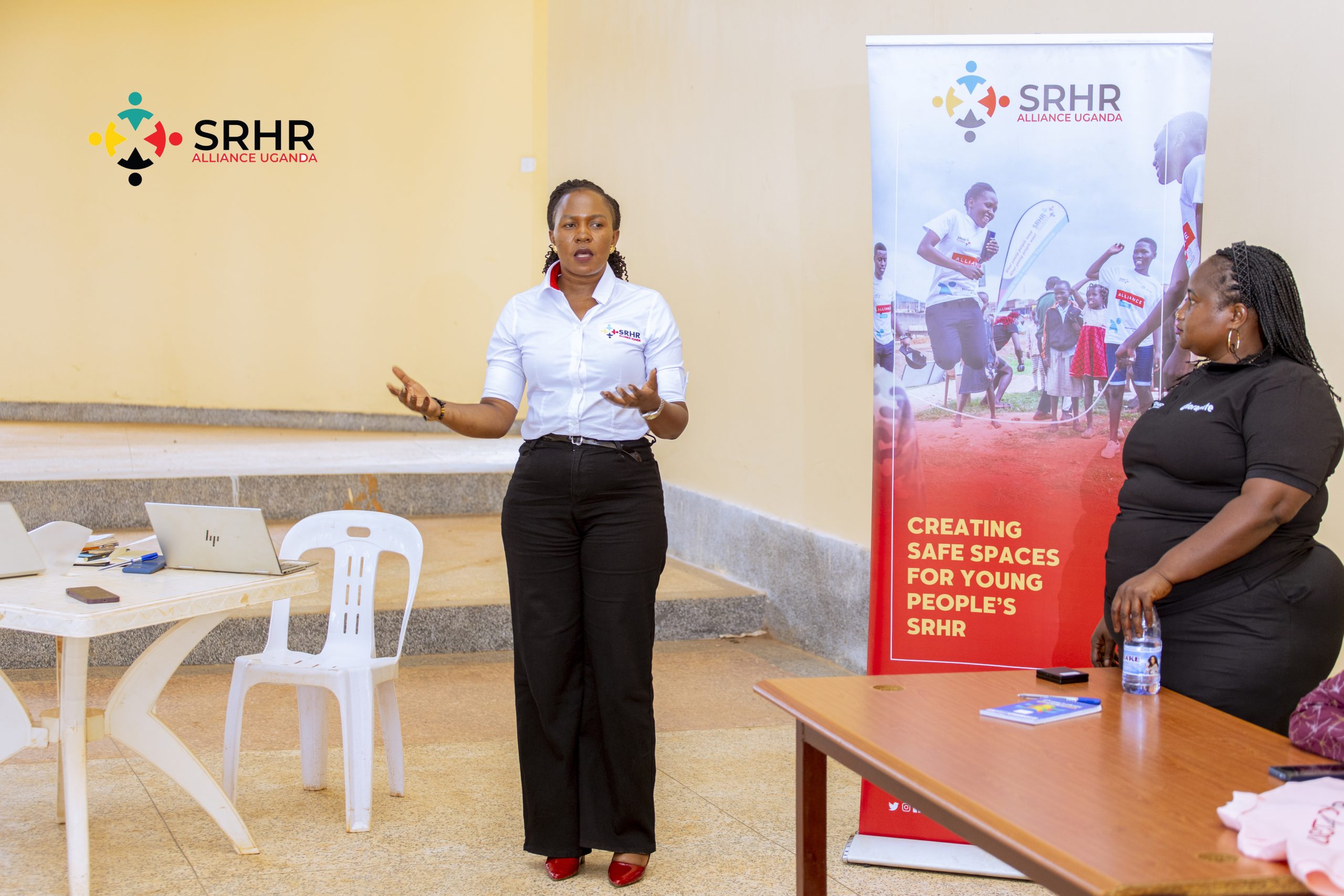
The project’s key pillars include continuous community awareness campaigns, mentorship programs for SRHR advocates, and the establishment of stronger support systems to enhance the overall quality of life for young people. As with all SRHR Alliance Uganda initiatives, collaboration remains central. During the meetings, partners committed to providing technical support, participating in monitoring efforts, and mobilizing communities. Like-minded organizations, including FIDA Uganda, also expressed interest in partnering to strengthen the project’s impact.
Looking ahead, the launch of ACT4Y-SRHR has sparked a strong sense of shared responsibility among stakeholders. There is growing optimism that coordinated action will create safer, more supportive environments where adolescent girls and young women can access the information and services, they need to lead healthy, empowered, and productive lives.
Ultimately, the project envisions strengthened community systems, improved coordination among partners, and a new generation of empowered young people, especially AGYW, who are equipped to take charge of their health and shape their futures.