

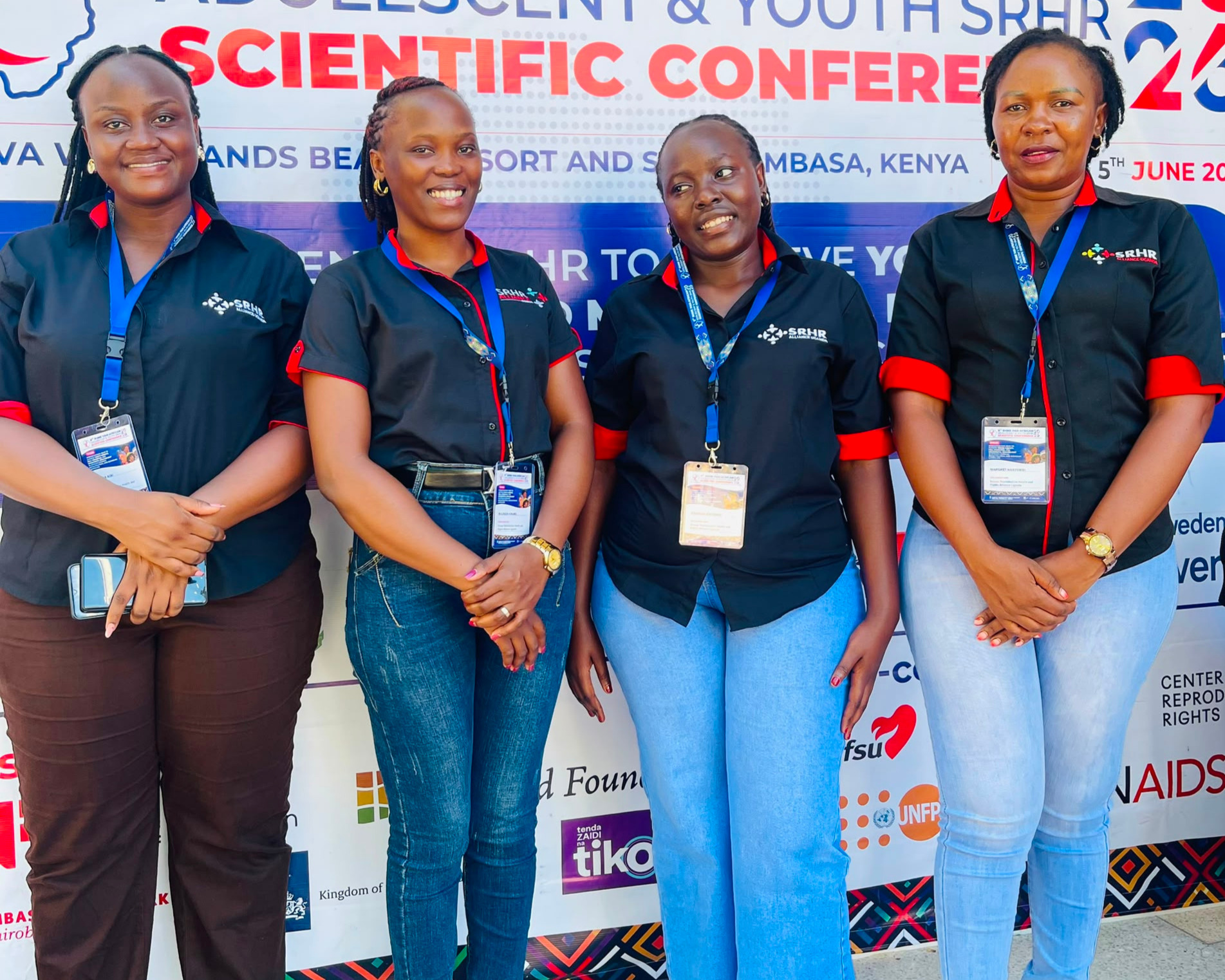
The 9th Reproductive Health Network Kenya (RHNK) Pan-African Adolescent and Youth SRHR Conference brought together policymakers, researchers, civil society organizations, young people, SRHR practitioners and experts, and development partners from Africa and beyond to strengthen collaboration and advance solutions for Sexual and Reproductive Health and Rights (SRHR) for Adolescents and Youth on the continent.
Held from 2nd to 5th June 2026, the RHNK Pan-African AYSRHR Scientific Conference brought together nearly 800 delegates from 40 African countries, including researchers, policymakers, civil society organizations, development partners, and young leaders to advance adolescent and youth SRHR across the continent. Uganda was strongly represented by the SRHR Alliance Uganda and its partners, including CEHURD, Reach A Hand Uganda (RAHU), Reproductive Health Uganda (RHU), NAFOPHANU represented by a Youth Advisory Committee member, and two young people. At the regional level, ANSA was represented alongside its country chapters from Uganda, Rwanda, and Kenya, demonstrating the strength of regional collaboration and collective action in advancing youth-centred SRHR across Africa.
In his opening remarks, Dr. Edward Serem, Head of the Division of Reproductive, Maternal, Newborn, Child and Adolescent Health at Kenya’s Ministry of Health, called for stronger youth agency and meaningful participation of young people in shaping Africa’s future. Conference organizers also reflected on the role that RHNK has played over the years in generating evidence, influencing policy conversations, and creating spaces where diverse stakeholders can work together to address emerging SRHR challenges. One of the recurring messages throughout the conference was the need for all SRHR actors to build alliances beyond the traditional health sector. The RHNK Executive Director, Nelly Munyasia noted that many SRHR challenges are not only health issues but also legal and human rights concerns, calling for stronger collaboration with the judiciary to safeguard rights and improve access to services. Similarly, speakers emphasized that advancing the SRHR agenda requires engagement not only with like-minded organizations but also with political leaders and other influential actors whose support is critical for policy change.
A key highlight of the conference was a side event focused on disseminating findings from the African Union Convention on Ending Violence Against Women and Girls(CEVAWG) study conducted by ANSA across eight African countries. The session brought together 52 participants who reflected on the successes, challenges, and gaps in implementing commitments to end violence against women and girls, sharing experiences from their respective countries. The discussions underscored the need for stronger accountability and sustained action to translate policy commitments into meaningful change. Participants also discussed the importance of systematically monitoring SRHR opposition actors, documenting emerging trends, and generating evidence that can inform timely advocacy responses. Experiences shared from different countries demonstrated that opposition movements often operate across borders, making regional collaboration essential for understanding evolving tactics and developing coordinated responses.
The discussions further highlighted the need for stronger early warning systems, information sharing mechanisms, and joint advocacy actions among civil society organizations. While giving a keynote to the participants of the side event, Johnstone Kuya, from the Embassy of the Kingdom of the Netherlands in Kenya, emphasized the need to proactively address threats to Sexual and Reproductive Health and Rights through stronger digital resilience and coordinated action. “To safeguard sexual and reproductive health and rights, we must move beyond reacting to threats and instead anticipate them, building digital resilience, countering misinformation with evidence, and empowering young people to defend their rights in real time,” he added. Participants agreed that collective monitoring can help strengthen preparedness, support evidence-based messaging, and ensure that advocates are better equipped to respond to threats against SRHR at national, regional, and continental levels.
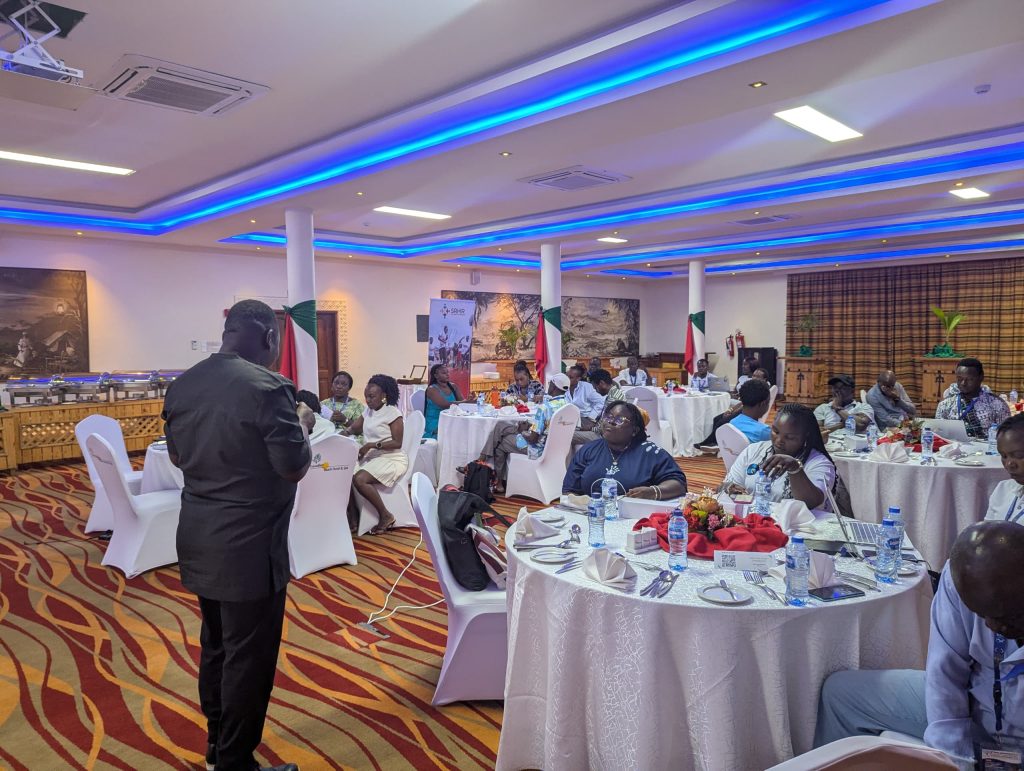
The conference also provided a platform for sharing research and practical learning through abstract and poster presentations on youth participation, accountability, policy engagement, disability inclusion, and community-led advocacy. SRHR Alliance Uganda contributed 8 abstracts, 6 oral presentations and 2 posters highlighting civil society advocacy for SRHR, support for young women living with HIV and with disabilities, disability-inclusive maternal health, youth-led efforts to counter harmful narratives, and strategies to improve access to SRHR information and services for adolescent girls and young women. These contributions underscored the power of evidence-based and youth-centred approaches in advancing SRHR outcomes.
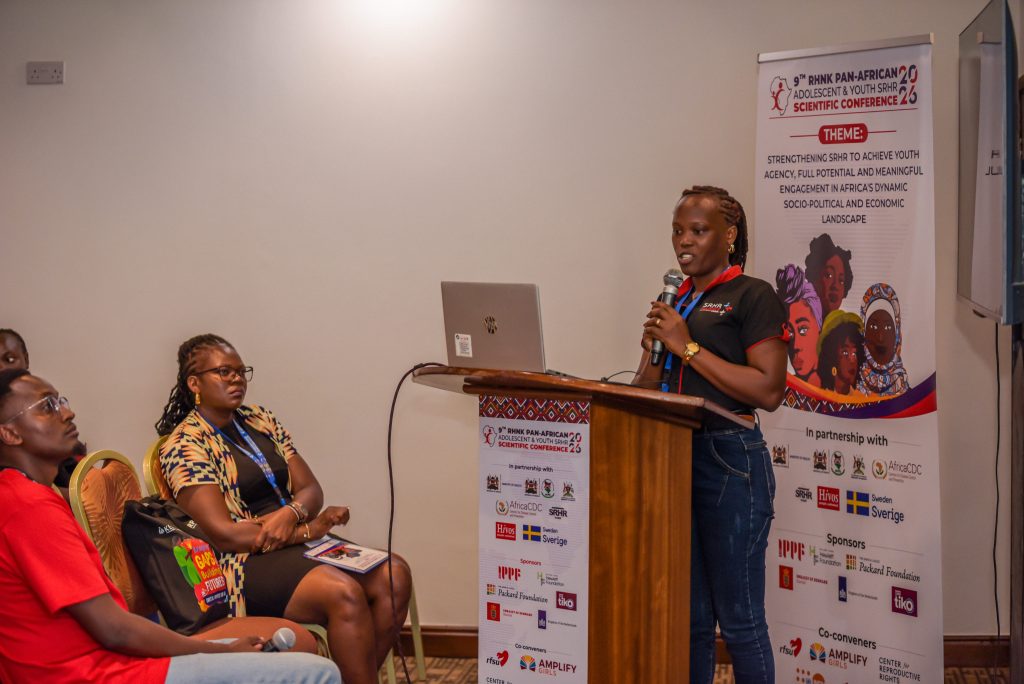
Another notable session, titled The Good, The Bad and The Ugly, hosted by SRHR Alliance Kenya aimed at exploring the opportunities and challenges presented by technology and digital platforms. Discussions examined how digital spaces are transforming access to information, civic engagement, and advocacy while also creating new risks related to misinformation, harmful content, and online exploitation. Speakers stressed that access to information alone is not enough and emphasized the importance of comprehensive SRHR education, digital literacy, and supportive systems that enable young people to make informed decisions.
Beyond the formal sessions, the conference provided a great opportunity for participants to connect, share experiences, and build partnerships across Africa. As the conference concluded, there was a shared recognition that advancing sexual and reproductive health and rights requires continued collaboration among young people, policymakers, civil society organizations, and regional networks to share evidence, strengthen SRHR advocacy, and ensure all young people can access the right age appropriate information and services they need to thrive.